In the 1340s (the Nanbokuchō period of feudal Japan), arrowheads—known as yajiri (矢尻) or yanone (鏃)—were primarily functional, battle-forged steel weapons rather than the heavily ornate, ink-accented display pieces seen in later centuries. [1, 2, 3]
While ink was not typically painted onto the iron blades themselves, engravings and ink intersected with Japanese archery in a few specific ways during and around this era.
1. Engravings on 1340s Arrowheads
Smith Signatures (Mei). High-ranking swordsmiths and specialized arrow-smiths chiseled their names or dates into the nakago (the long, narrow tang inserted into the bamboo shaft). [1, 2]
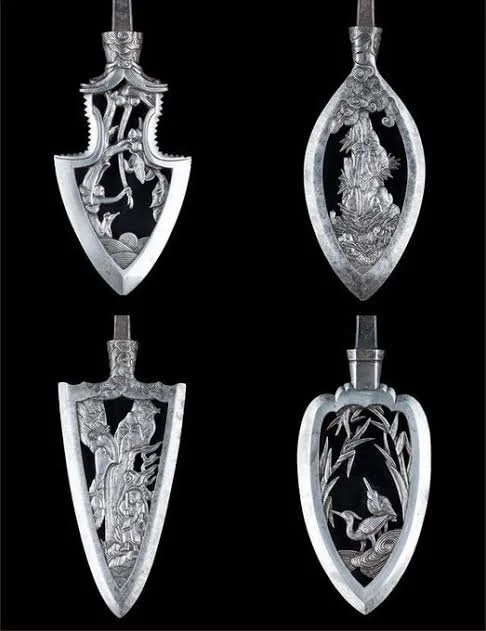
Religious and Protective Carvings. Some blades featured simple horimono (engravings), such as Sanskrit characters (bonji) invoking Buddhist deities like Fudō Myō-ō, or minimalist geometric cutouts like the inome (boar's eye) heart-shaped piercing. [1, 2]
Historical Context. During the 1340s, Japan was embroiled in civil war between the Northern and Southern Imperial Courts. Because warfare was constant, yajiri were forged from tamahagane steel for armor-piercing and cutting rather than for peacetime ceremonial display. The elaborate, deeply chiseled arrowheads featuring dragons, landscapes, and family crests became widespread later in the peaceful Edo period (1603–1868). [1, 2, 3, 4]
2. How Ink Was Used in 14th-Century Archery
Sumi Ink Inscriptions on Shafts. While steel arrowheads did not hold ink well due to rust and oil, archers and smiths frequently used sumi (carbon-based calligraphy ink made from pine or oil soot) to write directly onto the bamboo arrow shafts (yadake) or wooden storage boxes. Warriors inscribed their names, clan affiliations, or prayers on arrows so they could claim credit for a kill on the battlefield. [1, 2]
Lacquer (Urushi) as a Pigment. Instead of liquid ink, craftsmen used colored urushi (natural tree lacquer)—most commonly black or vermilion red—to fill in chiseled grooves on metal fittings and arrow shafts, protecting the iron from moisture while making engravings stand out.
Oshigata (Rubbings). Swordsmiths and collectors used sumi ink on washi (mulberry paper) to take direct rubbings of engraved signatures and blade shapes. This technique recorded the exact dimensions and chisel marks of notable 14th-century blades and arrowheads.
Are you researching this for historical reference, worldbuilding/writing, or collecting antique Japanese metalwork? Let me know, and I can share details on specific 1340s arrowhead shapes or how samurai marked their arrows in battle.
In historical reality, no—blood would not have been used as a pigment on a Japanese arrowhead, especially in a Buddhist context. However, for historical fiction or dark fantasy worldbuilding, it is a compelling concept if you understand how medieval Japanese religion actually viewed blood.
1. The Historical & Religious Reality
Buddhist Prohibitions: Buddhism strictly forbids taking life and avoids bodily fluids. Buddhist rituals in 1340s Japan (such as esoteric Mikkyō rituals performed by Tendai or Shingon monks) relied on pure substances like incense, water, sumi ink, or cinnabar (vermilion mineral pigment) to write prayers and Sanskrit bonji characters.
Shinto Views on Impurity (Kegare): Medieval Japanese culture was deeply shaped by Shinto concepts of ritual pollution (kegare). Blood—whether from wounds, childbirth, or death—was considered a severe spiritual defilement that required purification, not something that could be "blessed" into a sacred object.
Practical Metallurgy: On a physical level, blood is high in salt and water. Applying it to a tamahagane steel arrowhead would rapidly rust and pit the metal rather than preserve it like lacquer (urushi).
2. Historical Precedents That Come Close
If you want to ground a similar idea in real 14th-century Japanese practices, there are two authentic parallels:
Keppan (Blood Oaths): Warriors in medieval Japan occasionally sealed written pledges or contracts (kishōmon) by pricking their ring finger and pressing a bloody fingerprint onto the paper next to their name. This was a solemn vow before the gods, though it was done on paper rather than weapons.
Cinnabar & Vermilion Urushi: Red was widely used on armor, blades, and Buddhist talismans. Craftsmen mixed shu (vermilion/cinnabar) into urushi lacquer to fill engravings, which gave the metal a deep, blood-red color while protecting the steel from rust.
3. Making It Work in Fiction
If you are writing a story set in the 1340s, a blood-inlaid arrowhead works best as a forbidden or heretical practice rather than an orthodox Buddhist one:
Mixing with Urushi: To make it physically plausible, a smith or rogue monk could mix a drop of blood into raw urushi lacquer or sumi ink before sealing the engraving, allowing the pigment to cure and bond to the steel without rusting it.
Tachikawa-ryū (Heretical Buddhism): In the 1300s, a controversial offshoot of Shingon Buddhism called Tachikawa-ryū was famously accused by orthodox monks of using taboo substances—including blood and skulls—in secret rituals for power and protection. Associating the arrowhead with a banished or heterodox ascetic fits the exact historical atmosphere of the 1340s.
If you are developing this for a story or character, would you like help with specific Sanskrit characters (bonji) carved onto weapons for protection, or how 14th-century war monks (sōhei) blessed weapons before battle?
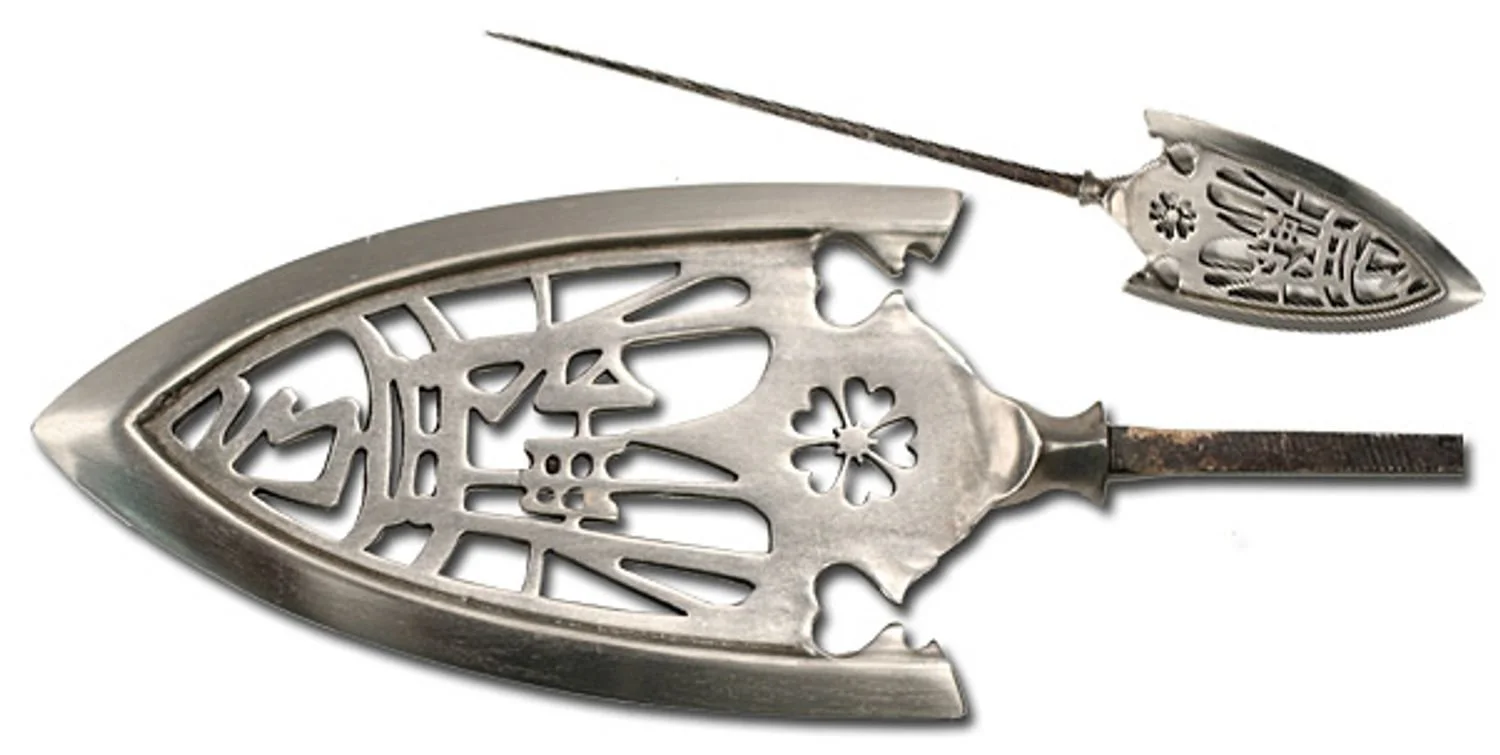
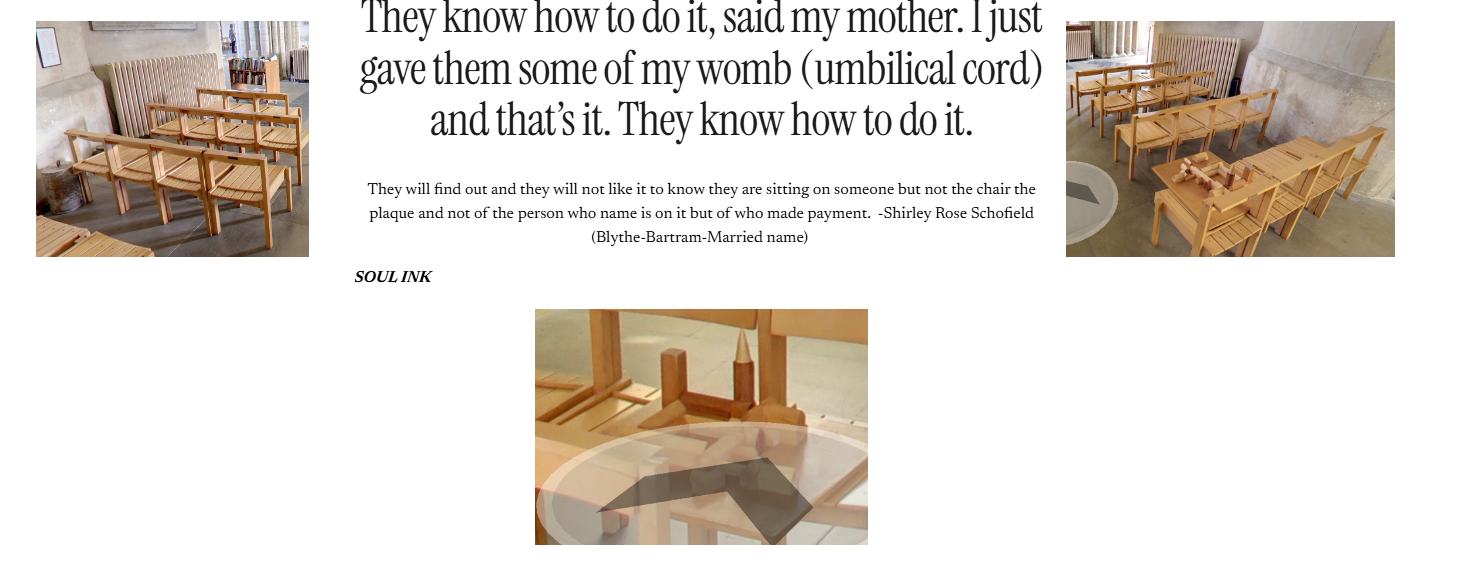
Not the Chairs, The Plaques, Not the Metal, the Ink. Now Forge it into an Arrow head. “Easy” Izumo Legendary swordsmith
The soul Arrow was born. 1344
1346 went up against them.
Mox Chi San
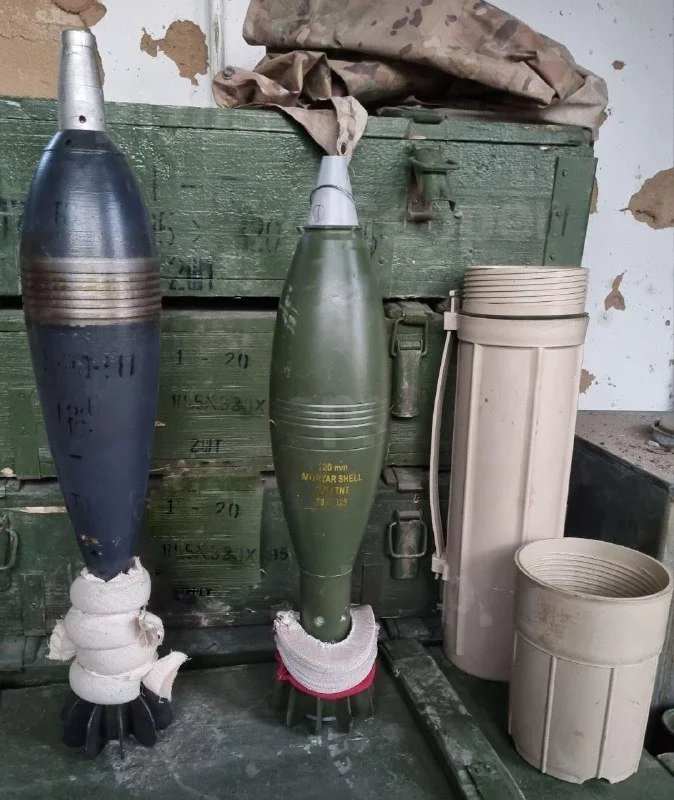
Korea’s Soul Arrows to day.
Bullets too, He is Not wrong that Ukrainian man.
“If this is what I can do for her then so be it….” Japanese Prime minister. We take it seriously in Japan. Nihon.
C J Blythe-Bartram.